Yes, cold weather absolutely affects pizza dough. When temperatures drop, yeast activity slows down. That means slower fermentation, reduced rise, tighter crumb, and less oven spring. Even a 5 – 10°F difference in your kitchen or ingredient temperature can throw off your usual schedule.
Here’s what’s happening, and how to stay consistent all winter.
Why Dough Changes in Winter
Fermentation depends on yeast activity, and yeast thrives in warmth. In colder months you may notice:
- Longer rise times
- Dense or underproofed dough balls
- Dough snapping back when stretching
- Less oven spring
- Paler crust color
The most common culprit? Lower finished dough temperature (FDT).
5 Simple Winter Adjustments
1. Control Finished Dough Temperature
Aim for a finished dough temp of 75 – 80°F (24 – 27°C). In winter, many shops accidentally finish closer to 65 – 70°F.
Adjust your water temperature to compensate for colder flour and room temps.
2. Use Warmer Water
Incoming tap water can drop significantly in winter. Warmer mix water is often the easiest fix for sluggish fermentation.
3. Allow More Fermentation Time
Instead of immediately adding more yeast, extend bulk fermentation or cold fermentation slightly. Time preserves flavor better than excess yeast.
4. Improve Proofing Conditions
Avoid drafty areas near doors or vents. Keep dough boxes in stable environments and make sure refrigeration units are calibrated and consistent.
5. Check Your Equipment
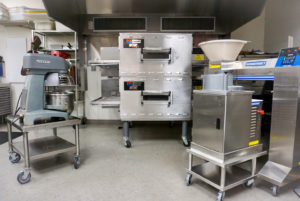
Winter can expose issues with mixers, prep tables, or refrigeration. Temperature fluctuations of even a few degrees can affect fermentation timing.
Should You Change Your Recipe?
Usually, no. Most pizzerias keep the same formula year-round and simply adjust their process, primarily water temperature and timing.
Consistency comes from control, not constant recipe changes.
The Bottom Line
Cold weather slows fermentation, but with small adjustments, your crust quality doesn’t have to suffer.
Monitor dough temperature. Adjust water temp. Allow time to do the work. Keep equipment running consistently.
Winter is predictable. Your dough should be, too.