A pizzeria should keep a small, model-specific supply of parts that fail often enough, take long enough to obtain or disrupt enough production to justify stocking them. Start with documented wear items and components recommended by the equipment supplier or service technician. Separate parts that staff may replace themselves from components that require a qualified technician.
A universal box of oven parts is unlikely to suit every kitchen. Conveyor ovens, mixers, dough rollers and refrigeration will use different components. Before November’s busy services, create an equipment register and identify which shortages would prevent the shop from completing orders.
Key Takeaways
- Build the stock list from exact models, serial numbers and service history.
- Prioritize parts by outage impact, lead time, failure frequency and storage cost.
- Verify part numbers and specifications before purchasing backups.
- Keep technician-installed parts separate from approved staff maintenance items.
- Label, protect and reorder stock so a used spare is replaced before the next failure.
Which Types of Spare Parts Deserve Priority?
1. Frequently Used Wear Items
Best for: Items the kitchen already replaces according to documented wear and manufacturer guidance. Depending on the equipment, candidates may include approved gaskets, dough-roller scrapers or conveyor connection hardware. Have the supplier confirm the specific item and replacement procedure.
2. Critical Parts With Long Lead Times
Best for: Components whose absence would stop a key machine for an unacceptable period. A technician may recommend a particular motor, sensor or control based on that machine’s history. Expensive electronics should earn their place through a clear downtime benefit.
3. Easily Available, Rarely Needed Parts
Best for: Components that are costly to hold, seldom fail or can be obtained within the kitchen’s acceptable recovery time. Record the verified source and part number so the team can order without repeating the identification process.
How Do You Build an Equipment Register?
Give each machine an internal asset label and record its manufacturer, full model and serial number. Photograph the data plate and note the applicable voltage or fuel configuration. Link the correct manual and keep service invoices with that equipment record.
Then add confirmed replacement part numbers, including revision suffixes and documented supersessions. A part that fits one conveyor oven may not fit another oven that looks identical. Northern Pizza Equipment’s parts department covers several commercial brands, providing a place to begin model-specific questions.
What Spare Parts Should Be Considered for a Conveyor Oven?
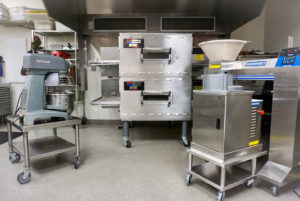
Ask the service provider to review the conveyor system, commonly serviced wear items and any components associated with the oven’s recorded failures. A belt connection item or drive component may be worth holding if it is correct for the configuration and can materially shorten an outage. The same part should not be assumed suitable across belt widths or production revisions.
Use the manufacturer’s parts and service information to define that list. Middleby Marshall’s document center provides model-specific documents. The PS640 gas oven manual, for example, distinguishes conveyor configurations and components. A generic conveyor kit cannot replace those checks.
What About Dough Equipment and Refrigeration?
For a dough sheeter, ask about the exact scraper assemblies and other scheduled wear items. Confirm whether the same part fits every machine at the site. Keep food-contact replacement items clean and protected, and follow the manufacturer’s replacement and sanitation instructions.
For refrigeration, review the actual service history and availability of model-specific gaskets or other recommended components with the supplier. Motors, electrical controls and sealed-system parts require a different level of diagnosis and service. Stocking a component does not establish that it is the cause of a temperature problem or that staff should install it.
How Do You Decide Whether a Spare Is Worth Stocking?
Compare how much recovery time the part could save with its purchase cost, obsolescence risk, storage needs and installation requirements. Give higher priority to a verified component that has caused repeated outages than to an expensive speculative part with no known failure history.
For illustration, assume a $180 spare would avoid one expected two-hour delay in a year, and the shop estimates $250 per hour of lost contribution during that outage. The potential avoided loss is $500 before installation costs. Stocking may be reasonable under those assumptions. If the part is unlikely to fail or a technician still cannot arrive sooner, the benefit is smaller. These figures are a planning example, not a forecast.
Which Parts Need Additional Verification Before Stocking?
Gas valves, ignition components, high-limit devices, electrical assemblies and programmed controls need particularly careful identification. Confirm genuine OEM requirements, ratings, programming, warranty implications and the qualified installer. Never substitute a rating or bypass a safety device to keep equipment operating.
Fuses also require an exact specification and a diagnosed reason for failure. Repeated replacement without correcting the cause can leave the underlying fault unresolved. For sourcing choices, see the pizza equipment parts ordering guide and agree on the purchase with the responsible service provider.
How Should Spare Parts Be Stored and Reordered?
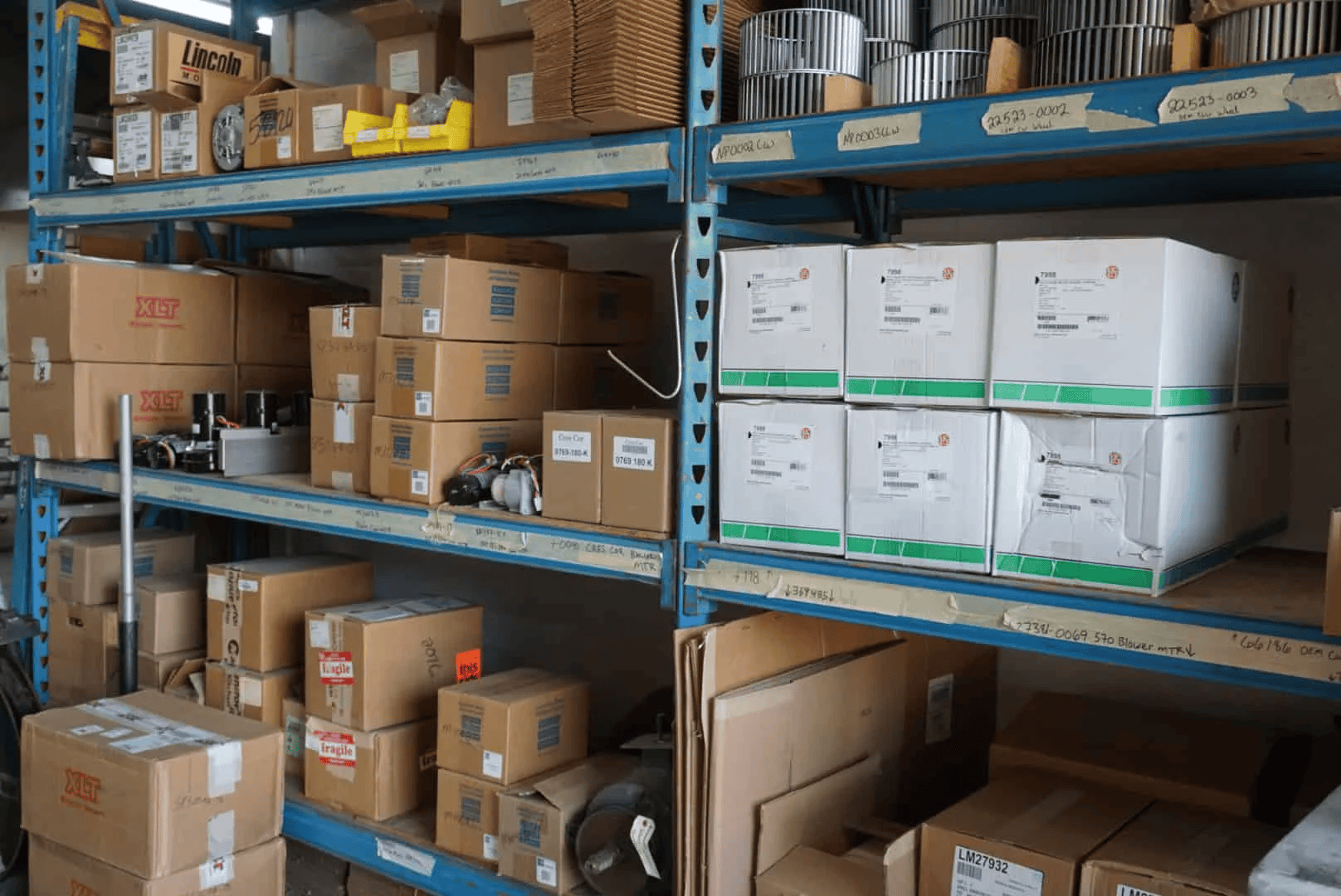
Keep parts in their protective packaging with an asset label, part number, description and purchase date. Follow the manufacturer’s storage instructions for electronics, seals and other sensitive items. Record the supplier and any return deadline; an unused special-order component may still have restrictions.
Assign someone to update the inventory whenever a spare is used. Set a minimum quantity based on observed use and current lead time, then review the list when equipment is replaced or specifications change. A shelf full of obsolete parts is less useful than a small, accurate kit.
What Information Should Be Confirmed Before Buying Spares?
- Full equipment identification and the exact component number or supersession.
- Voltage, gas type, dimensions, connectors and configuration where applicable.
- Failure history, supplier lead time and expected production impact.
- OEM requirements, installation qualifications and warranty restrictions.
- Storage needs, return terms and the person responsible for reordering.
Frequently Asked Questions
Should every pizzeria stock a spare conveyor motor?
No. The decision depends on the exact motor, failure history, availability, cost and service arrangements. Ask whether having that motor onsite would actually shorten a likely outage.
Can the same spare serve several ovens?
Only after compatibility is confirmed for each model and serial range. Similar cabinets or brand names do not prove that electrical, drive or control components are interchangeable.
Should all stocked parts be genuine OEM?
Follow manufacturer, warranty and service requirements. Any alternative needs documented compatibility and acceptance for the application, especially for components affecting safe operation.
Does keeping spares eliminate the need for maintenance?
No. Stocked parts support recovery after a failure. Cleaning, inspections and manufacturer-prescribed maintenance address conditions that may cause failures in the first place.
Building a Useful Pizzeria Spare-Parts Kit
Start with equipment records and a service-provider review. Buy verified items that can shorten realistic outages, keep them organized and replace them promptly after use.
Call Northern Pizza Equipment at 800-426-0323 with model numbers, serial numbers and your proposed stock list. Confirm compatibility and current fulfillment timing before ordering; same-day dispatch, where available, still differs from arrival time.