In our last blog, we discussed how to choose and place refrigeration equipment before summer puts it to the test. Location, airflow, compressor style, and warranty coverage all matter when you are trying to get the longest life out of your cooler, freezer, or prep table. But once the equipment is in your kitchen, maintenance becomes the next big factor.
Commercial refrigeration works hard every day. In a pizza kitchen, these units are exposed to heat, flour, frequent door openings, acidic ingredients, and constant use. Even a well-built unit can wear down faster if it is not cleaned, checked, and maintained properly. The good news is that many common refrigeration problems can be prevented with simple habits. A little attention throughout the year can help reduce emergency service calls, protect your ingredients, and extend the life of your equipment.
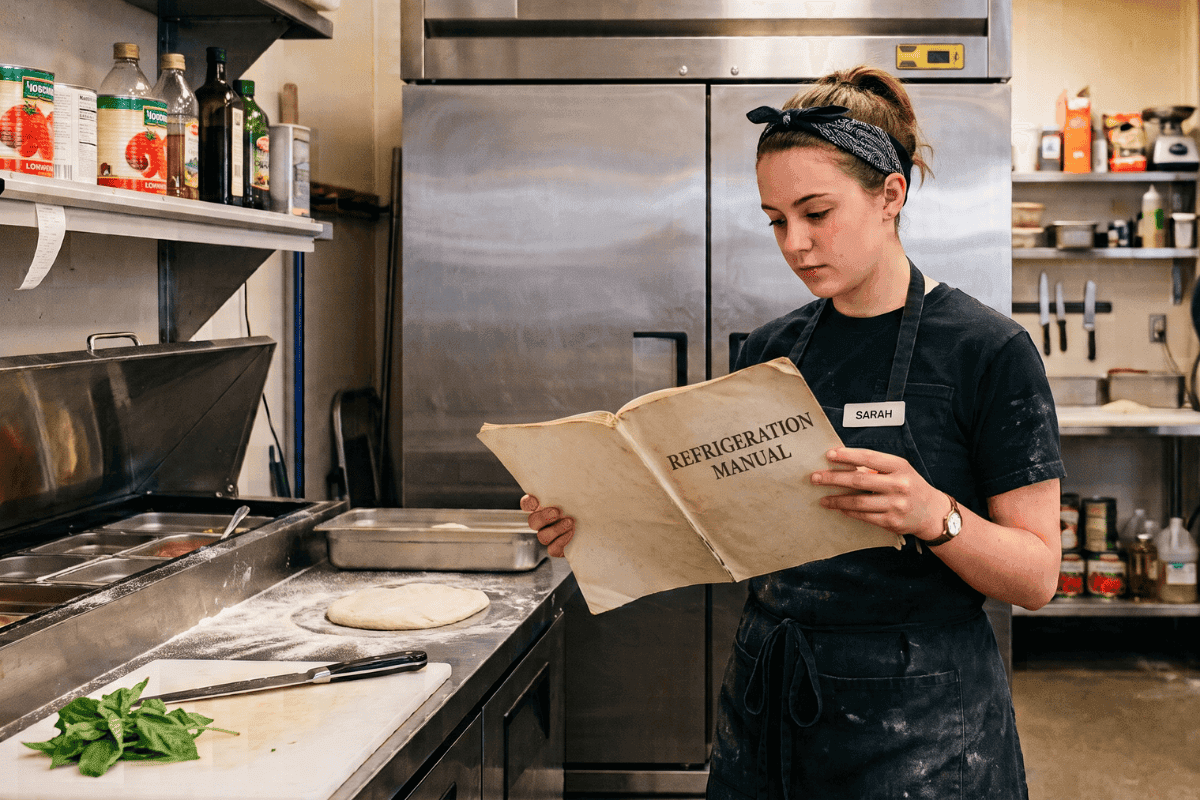
Keep the Equipment Manual and Read It
This sounds basic, but it matters: keep the equipment manual. Even better, read it.
Every refrigerator, freezer, and prep table has its own maintenance requirements. The manual will usually tell you how often to clean certain parts, what areas need regular inspection, and what not to do with the unit. Many problems that cause equipment to fail can be prevented by following the best practices outlined by the manufacturer. That includes cleaning schedules, clearance requirements, temperature settings, and care instructions.
If the manual gets tossed in a drawer and forgotten, your staff may miss important maintenance steps. Keep it somewhere accessible and make sure the right people know where to find it.
Clean Cold Rails on High-End Prep Tables
If you have a high-end prep table with a separately controlled cold rail, make sure that cold rail is cleaned properly.At the end of the night, remove the contents, turn the rail off, and clean it. Doing this every night helps prevent ice buildup, which can damage the unit over time.
Cold rails are designed to keep ingredients at safe temperatures during service, but they are not meant to be ignored after closing. If food pans are left in place and the rail stays on continuously, moisture and ice can build up where it should not. That extra strain can lead to performance issues and expensive repairs. Building this into your closing routine is a simple way to protect the equipment.
Clean Condenser Coils on Schedule
Condenser coil cleaning is one of the most important maintenance tasks for commercial refrigeration. When condenser coils are dirty, the unit has a harder time releasing heat. That means the compressor may need to work longer and harder to keep the cabinet cold. Over time, that added workload can shorten the life of the equipment.
Most units should have condenser coils cleaned once or twice per year, depending on the maintenance schedule and the conditions in your kitchen. A dusty or flour-heavy environment may require more frequent attention.
Use gentle tools and follow the manufacturer’s instructions. The goal is to remove dust and debris without damaging the coils. If you are not sure how often your unit should be cleaned, check the manual first. It should give you the maintenance schedule for that model.
Replace Worn Gaskets
Door gaskets are easy to overlook until they become a problem. A worn, cracked, or loose gasket can prevent the door from sealing properly. When cold air leaks out, the refrigeration system has to work harder to maintain temperature. That can increase wear on the unit and make it less efficient. Poorly sealed doors can also lead to temperature problems, especially during hot weather or busy service periods when doors are opened frequently.
Check gaskets regularly for cracks, gaps, looseness, or buildup. If a gasket is no longer sealing well, replace it. Northern Pizza Equipment’s parts department stocks gaskets for various brands and door sizes.
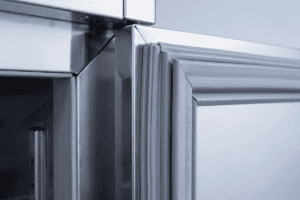
If you are not sure which gasket you need, contact the parts department for help identifying the right fit.
Store Acidic Ingredients in Sealed Containers
Pizza kitchens use plenty of acidic ingredients, including tomatoes, pickles, and onions. These items are normal parts of food prep, but they can create problems when left open inside refrigeration units.
Acidic foods should be kept in tightly sealed, closed containers. When left uncovered, they can contribute to corrosion inside the unit. Over time, corrosion can lead to costly repairs. This is a simple habit that helps protect both your ingredients and your equipment.
At the end of each shift, make sure food containers are properly covered and sealed before they go back into the cooler or prep table. It is a small step, but it can help prevent long-term damage.
Make Maintenance Part of the Routine
Refrigeration maintenance works best when it is part of the normal kitchen routine.
Don’t wait until the cooler is struggling to hold temperature. By then, the unit may already be under stress. Instead, build small maintenance checks into daily, weekly, and seasonal routines. Daily tasks may include cleaning cold rails, checking that doors are closing properly, and making sure food containers are sealed.
Seasonal tasks may include checking condenser coils, inspecting gaskets, reviewing the manual, and making sure the unit has proper airflow before the hottest months of the year. These habits are simple, but they can make a real difference!
Protect Your Refrigeration Investment
Commercial refrigeration is too important to ignore until something goes wrong. Your coolers, freezers, and prep tables protect your ingredients, support your prep schedule, and help keep service moving.
With the right maintenance habits, you can help your equipment last longer and reduce the chance of an unexpected breakdown.
Keep the manual. Clean cold rails. Maintain condenser coils. Replace worn gaskets. Seal acidic ingredients. These basic steps can help your refrigeration work the way it should, especially when summer puts extra pressure on your kitchen.
Need help finding the right part for your piece of equipment? Contact an expert at Northern Pizza Equipment today or call 1-800-426-0323